ZSer aims to eradicate leprosy
Since 1983, ZS has partnered with clients to deliver innovative healthcare solutions around the world. Today, we are focusing our expertise and passion on addressing the drivers of health inequities—a critical element of our business responsibility and impact (BRI) mission to deliver healthy, fair and sustainable outcomes for all.
Where passion changes lives
Johannes Püllen, a strategy insights and planning manager in ZS’s Zurich office, has played a pivotal role in bringing this ESG mission to life. In just his first year at ZS, he has collaborated with clients across sectors and demonstrated tremendous growth in his role. But the project closest to his heart is cocreating a leprosy roadmap with the Global Partnership for Zero Leprosy (GPZL).
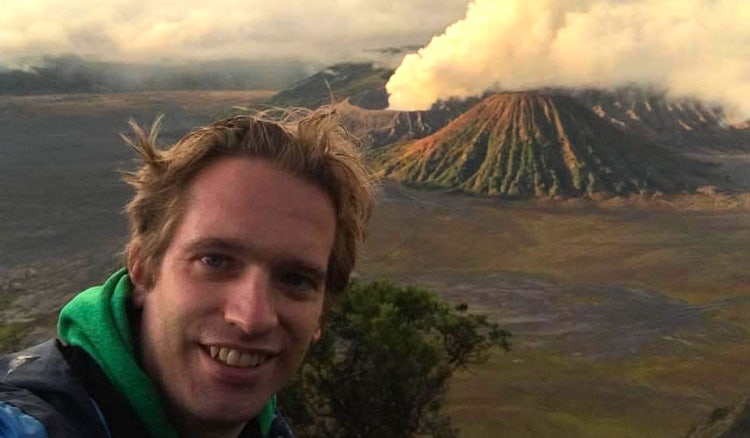
Johannes Püllen, Strategy Insights and Planning Manager, Zurich
GPZL is a coalition committed to ending leprosy—also known as Hansen’s disease—an infectious condition that can cause nerve damage and skin lesions. GPZL members include American Leprosy Missions, Novartis, Sasakawa Health Foundation, ILEP and the National Leprosy Programme of Ghana. Together, they share a “triple zero” vision: no disease, no disability and no discrimination or stigma.
“Before the project, I didn’t fully appreciate the ongoing impact leprosy has on so many communities,” Johannes says. “Millions of people still suffer from the disease and face serious barriers to appropriate treatment.”
These barriers typically fall into two categories: a lack of resources and deep-rooted stigma.
“Stigma surrounding leprosy leads to social ostracism, aversion and job loss,” Johannes explains. “Because of this, many individuals and communities affected by the disease don’t—or can’t—seek care.”
The World Health Organization (WHO) has set a goal to eradicate leprosy by 2030, with improved diagnostics as a key milestone. This is where ZS plays a role.
Through our partnership with GPZL, ZS is helping develop a roadmap for two new diagnostic tools:
• One test to confirm leprosy in individuals showing symptoms
• Another to screen the families and communities of affected individuals
Since leprosy often goes undetected for years, this approach allows for early intervention and more effective treatment.
But diagnostics are just the beginning. Critical questions remain:
• Where will the funding come from?
• Who will manufacture the tests?
• How do we ensure countries adopt and distribute them?
To solve these challenges, ZS assembled a cross-functional team spanning Europe, India and the U.S. Led by principals Judith Kulich and Jill Vettese, the team combines deep expertise in health equity with research and insights from the GPZL network to define the most urgent next steps toward eradication.
“At ZS, we want to create impact that matters—and this matters,” Johannes says. “The outcome of this project will support communities in need. We’re working to get these diagnostics into the hands of people who might otherwise never have access.”
Follow us on social media to learn how ZSers are using their passion to improve lives around the world.
Life at ZS
Learn what it’s like to be a ZSer: Facebook, Twitter, LinkedIn and Instagram
Related insights
/content/zs/en/insights/life-at-zs
zs:topic/life-at-zs,zs:topic/strategy-&-advisory,zs:topic/environmental-social-and-governance,zs: